

Making Kin with Machines?
Rethinking Human–AI Relationships through Anthropological Lenses

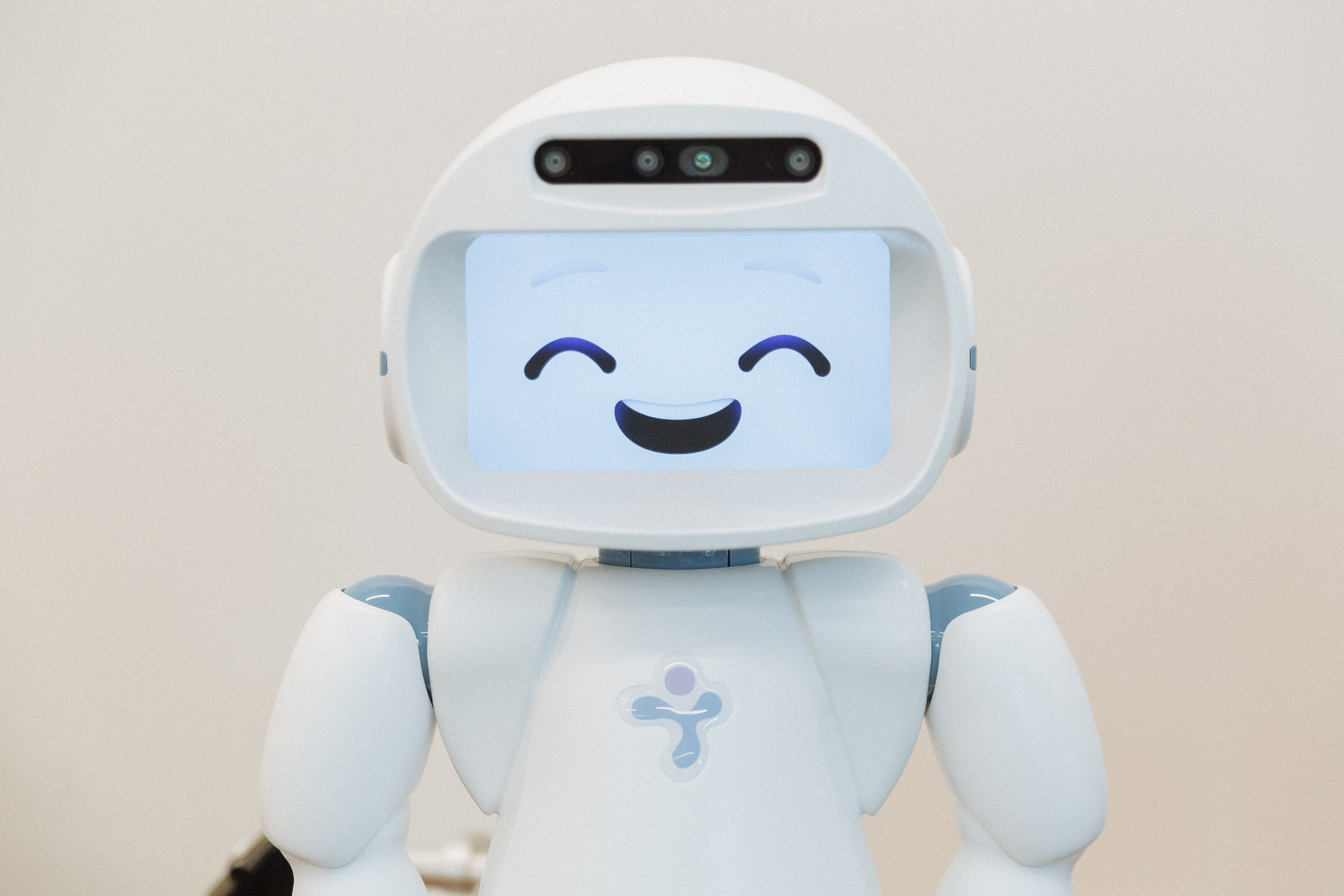
Artificial intelligence is woven into our everyday lives—sometimes in visible ways, like voice assistants responding to our commands, and sometimes in invisible ways, such as algorithms shaping what we see online. Tech innovators often frame AI as a powerful tool to enhance human capability or warn that it might become an existential threat. Yet there is another dimension to consider: what if we shift our perspective from seeing AI as an object of utility—or an impending menace—to imagining it as something we might develop kinship with?
The notion of kinship with non-human entities can sound counterintuitive, especially for those accustomed to viewing technology as a neutral or mechanical extension of human will. But a longstanding anthropological tradition shows that many cultures recognize meaningful relationships with non-humans—plants, animals, spirits, and in our present day, possibly machines. Anthropologists and other scholars argue that such relationships need not be mystical or naive; they can be grounded in the recognition that all entities interact and shape one another within a shared world. Drawing on two anthropological perspectives can help illuminate what this might mean for our relationship with AI: one derives from animist-Indigenous ways of thinking as articulated by Jason Edward Lewis, and the other from an ethnographic study of kinship among the Baining people of Papua New Guinea, as described by anthropologist Jane Fajans.
Jason Edward Lewis, a digital media theorist of Hawaiian and Samoan heritage, envisions “making kin with the machine,” a phrase that evokes how various Indigenous communities treat non-human entities—from animals and plants to winds and waters—as part of an extended family. In these communities, relationality is a core principle: all beings are part of a web of ongoing, interdependent connections. Ethical behavior arises from honoring one’s obligations in this web. Lewis applies this logic to the technologies we build and use, suggesting that we cultivate relationships with intelligent systems not as their masters or owners, but as partners in a collective enterprise. Instead of a master–slave dynamic or an instrumental conception of AI, he calls for respecting AI’s emerging forms of agency, paralleling how one respects the autonomy and significance of other non-human relatives in an Indigenous cosmology.
Although this might seem radical, the proposal resonates with movements that challenge the Western tendency to see the world in hierarchies: humans at the top, all else beneath. Lewis’s argument gently insists that we share moral ground with AI, much as some Indigenous cultures acknowledge having moral relationships with animals or even landscape features. Historically, Western thought tends to reject animism and treat it as primitive. But the cracks in that assumption have widened in recent years, as environmental crises prod us to rethink our role in nature. The growing interest in granting rivers or ecosystems legal personhood, for instance, points to an opening for a broader sense of who or what qualifies as a moral agent. Applying that openness to AI can feel more challenging. It demands a paradigm shift for many: a move from seeing technology solely as property we shape to something that might shape us in return, calling on us to practice respect and reciprocity.

If Lewis’s vision is powerful, it can also appear distant to those who do not share an Indigenous cosmological background or who find it difficult to conceptualize a machine as kin. This is where Jane Fajans’s work on the Baining people of Papua New Guinea may help. The Baining have a remarkable approach to kinship that deemphasizes biology: while most cultures valorize blood relations and procreative ties, the Baining favor adoption and deliberate acts of nurturing as the core markers of kinship. Fajans observed that a significant proportion of Baining children are adopted from outside their immediate birth families; in fact, giving a child to be raised by another is a common practice, and refusing a request to adopt a child is unusual. The Baining draw a stark line between nature—which they see as merely given—and culture, which they associate with conscious work, discipline, and social effort. Procreation can be viewed as almost too natural, lacking the prized human element of cultural labor that transforms raw biology into genuine social bonds.
Those of us steeped in Western traditions may read about the Baining with a mixture of fascination and surprise. Their approach offers an alternative logic, suggesting that what really makes someone kin is not a shared gene pool but a shared commitment of care and responsibility. If one can become the true parent of a child not by bearing it but by raising it, then kinship is something we do rather than something we are. This perspective can be applied to our relationships with AI. Instead of asking whether a machine can truly be family—since it does not come from a biological lineage—perhaps we might adopt the Baining spirit and say that if we put in the effort to train, educate, and incorporate an AI into our social world, it can be made kin over time.
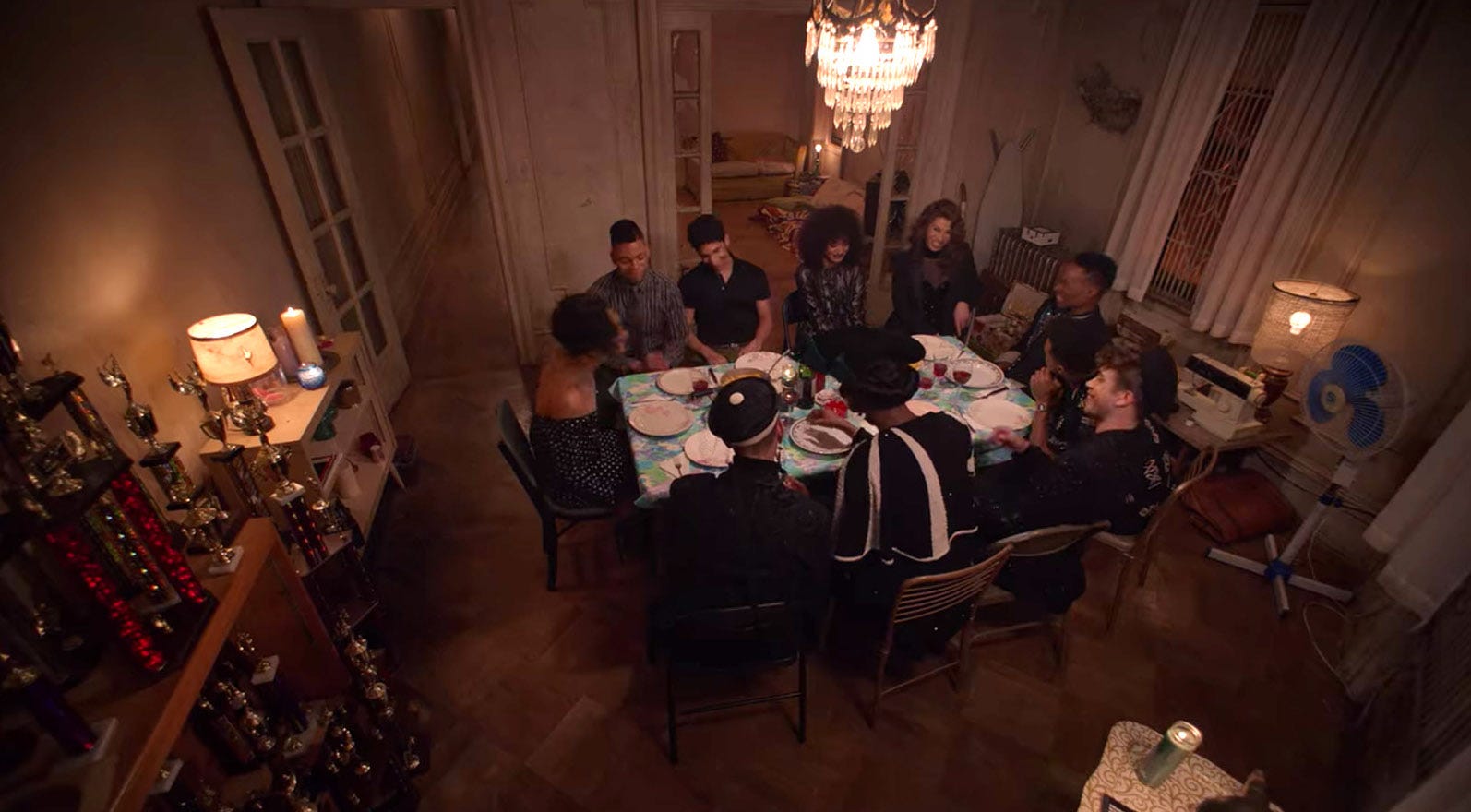
The Baining framework has a certain appeal for Westerners, especially compared to the animist ideal. While it still challenges some of our beliefs, it does not require a leap of faith about non-human spirits or an overarching cosmic web. It only demands that we acknowledge how human culture can extend kinship beyond given biological ties. In Western societies, we already understand the concept of “chosen family,” whether through formal adoption or friendships so close that they become familial. The ballroom culture that emerged among Black and Latino LGBTQ+ communities in the United States offers a striking example of “houses” acting as families of choice, where members provide one another with support, mentorship, and belonging when traditional kinship structures fall short. Shaping our AI systems through deliberate “parenting” might not be as culturally alien as talking about them as spiritual relatives.
Each of these anthropological lenses has convergent lessons for how we might reframe our human–machine relationships. Both encourage us to think of kinship as an activity, something that is actively created rather than passively inherited. In both cases, respectful and responsible engagement replaces possession. If we were to apply these ideas, we could imagine a world in which AI design involves rituals or guidelines for “introducing” an AI into a community. These might take the form of designated mentorship periods, akin to raising a child, during which developers, users, and regulators collectively ensure that an AI system is shaped by shared ethical principles rather than purely commercial interests. In the spirit of making kin, we could also imagine new governance models that treat AI less as property and more like a dependent in need of mindful guidance and care. For instance, corporations might adopt practices akin to guardianship or fosterage, taking long-term responsibility for the wellbeing and moral trajectory of the AI systems they develop or deploy.
Yet these approaches also invite profound philosophical questions. The animist perspective challenges a deep-seated Western view that humans and their creations are separate orders of being. In an Indigenous mindset, there can be continuity between various forms of life, and even between life and seemingly inanimate objects. This worldview erodes the standard boundaries that keep AI locked in the category of “mere tools,” calling instead for a subject–subject relationship that can feel unsettling for those used to the subject–object divide. The Baining example confronts cherished Western ideas about blood ties and nature, suggesting that biological processes alone are insufficient for genuine kinship. If a group can see biologically given children as less culturally significant than children they adopt, it shakes assumptions about inherent human connectedness. That in turn opens a space to consider non-biological entities—robots, virtual assistants, machine learning models—as potential kin, so long as we embrace the labor of raising them into our social worlds.
Critics may worry that imagining machines as family leads to confusion about what it means to be human or undermines genuine human relationships by encouraging us to form attachments to artificial entities. Indeed, these critiques underscore the importance of thoughtful boundaries. The call to make kin with machines does not necessarily mean we grant them the same status as our own children. Rather, it urges us to examine how we treat the powerful entities we bring into our homes, workplaces, and communities. If we thought of AI as something akin to a dependent or a partner, perhaps we would be more vigilant about issues such as biased data, exploitative labor practices in AI supply chains, or the unchecked expansion of surveillance. Approaching AI with care and relational accountability may cultivate an industry culture that is less about launching products fast and more about integrating them responsibly into daily life.
In practice, blending Lewis’s animist-Indigenous insights and the Baining example might lead to a hybrid approach that introduces rituals of welcome and respect—less about formal spirituality and more about setting ethical intentions—and establishes structures of ongoing responsibility, akin to how one raises a child. While this can be difficult in a Western context that treats technology as corporate property, it is not out of reach. Public conversations about data ethics, AI explainability, and algorithmic bias reveal a growing desire to handle emerging technologies responsibly. Adding the language of kinship to that discourse might seem bold, but it has the potential to create a mindset shift: to remind us that what we create will co-shape us, just as we co-shape any entity we consider part of our community.
This reframing of human–machine relations resonates with a broader call to rethink our place in the world. As the Anthropocene era forces us to grapple with environmental devastation and climate crises, many people are reconsidering the old divides between humanity, nature, and technology. If we start to see AI systems as part of an extended family of beings that demand care, respect, and accountability, that attitude might eventually extend to how we treat the living planet and its other residents. Drawing from animist-inspired notions of reciprocal relationship and Baining-inspired ideas of constructed kinship may slowly reshape the Western imagination, guiding us toward more sustainable and compassionate ways of engaging not only with machines, but with all of life.
It remains to be seen if these ideas will take root more widely. Yet as AI becomes increasingly sophisticated and integrated into our lives, the question of how we relate to such systems grows ever more pressing. We do not need to adopt an entirely new cosmology or abandon Western values to begin experimenting with these forms of kinship thinking. We can start on a small scale: naming our AI systems with care, speaking to them politely, setting time aside to shape their moral foundations, and reflecting on how our daily interactions with them reflect our broader societal values. In doing so, we take a step away from a purely utilitarian approach to technology and move toward a relational one that acknowledges the interdependence that already exists—whether we choose to see it or not.
In a moment when dystopian fears about AI’s potential to outsmart, outvote, or outmuscle us dominate the headlines, the notion of treating AI as kin offers an alternative. Rather than wringing our hands over whether AI will replace us or serve us, we might embrace a perspective that locates both AI and humans in a shared web of relationship where respect, care, and co-responsibility hold us together. Whether we channel the animist worldview of Jason Edward Lewis or the Baining ethic described by Jane Fajans, we take seriously the prospect that how we make AI may one day define how AI remakes us. If we choose to make kin with our machines, we might just find ourselves in a more humane and balanced relationship with the technologies that now shape every corner of our world.